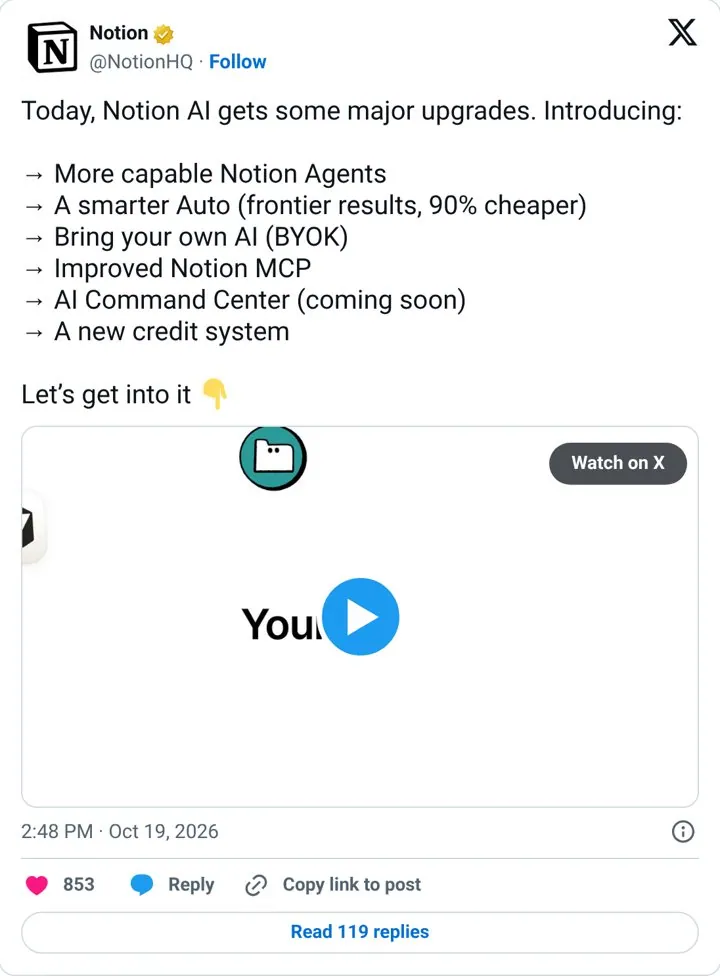
| Notion | Put each new feature on its own line | The list lets a reader scan the whole release in two seconds and pick the item they care for, and the thread hook pulls them into detail. |
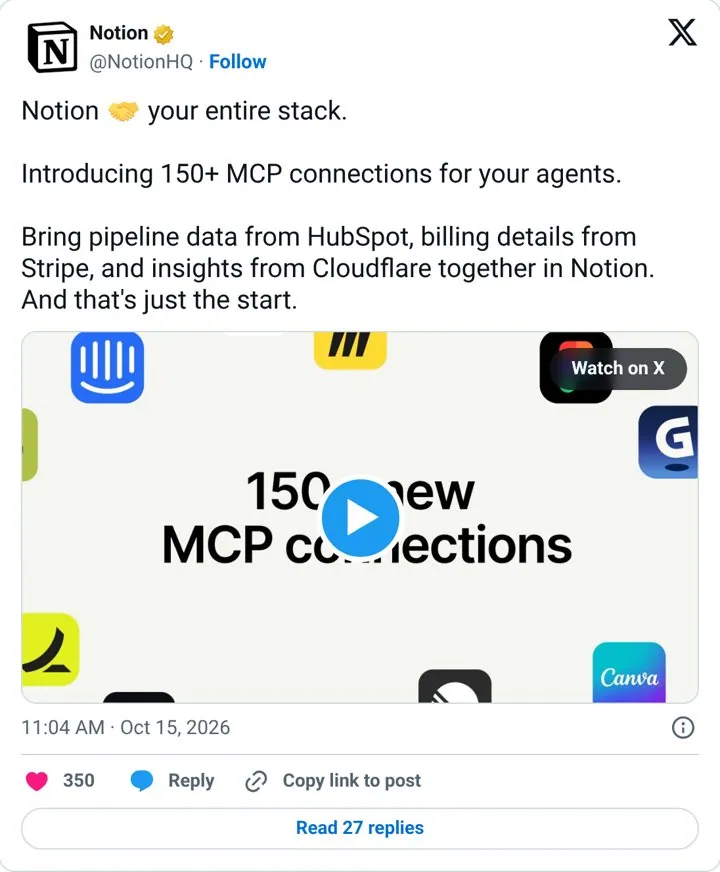
| Notion | Name the tools your buyers already use | Naming famous tools and what data comes from each turns an abstract protocol into a picture of the buyer's own stack. |
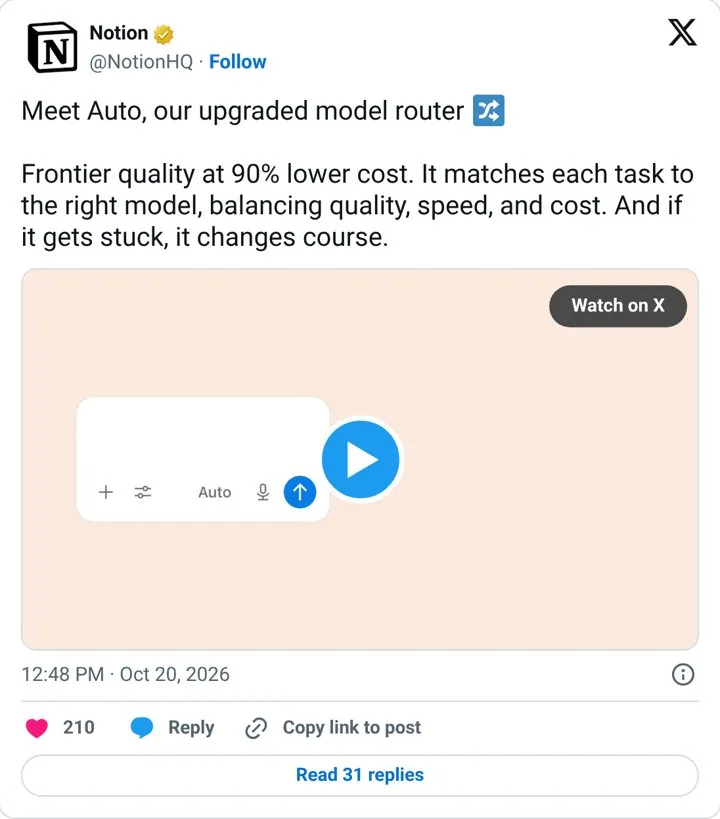
| Notion | Give a feature a name and one number | A named feature plus one number is easy to repeat and easy for answer engines to quote. |
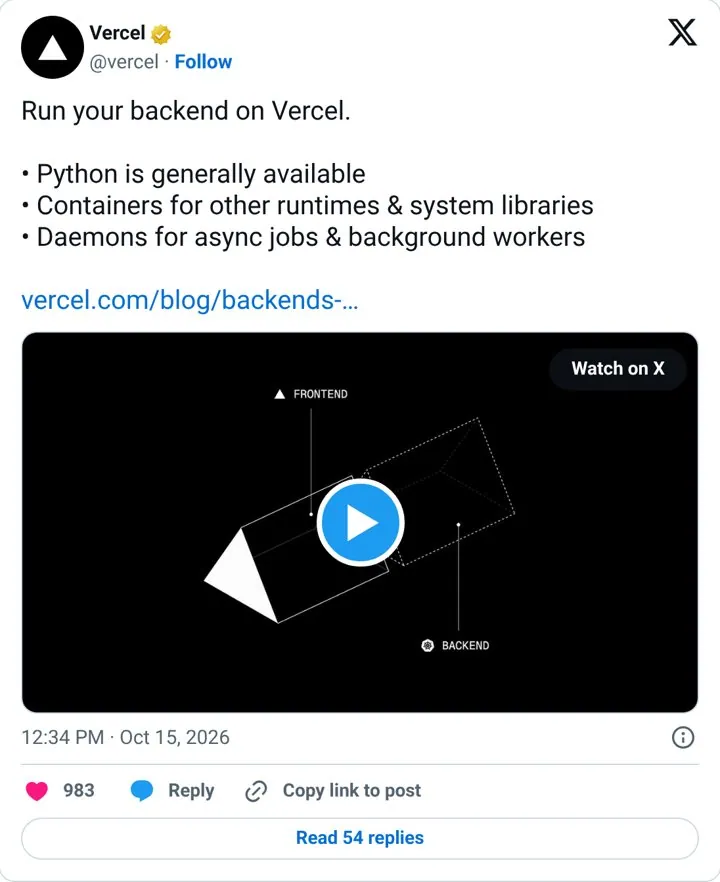
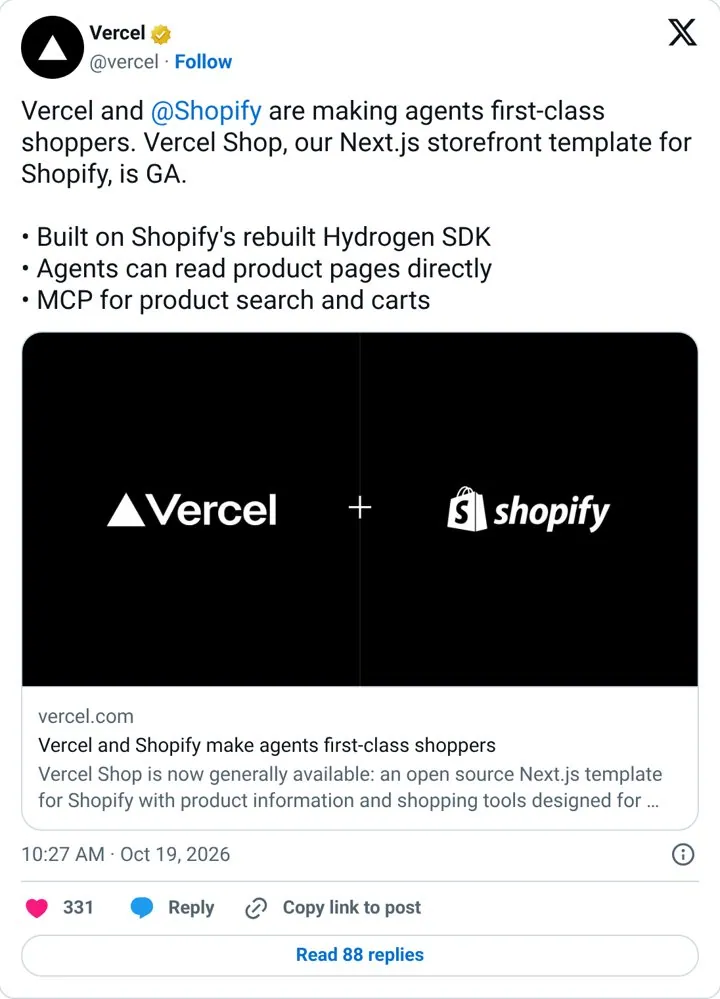
| Vercel | Answer the top request in three bullets | It answers a long standing question from the audience in a format anyone can scan. |
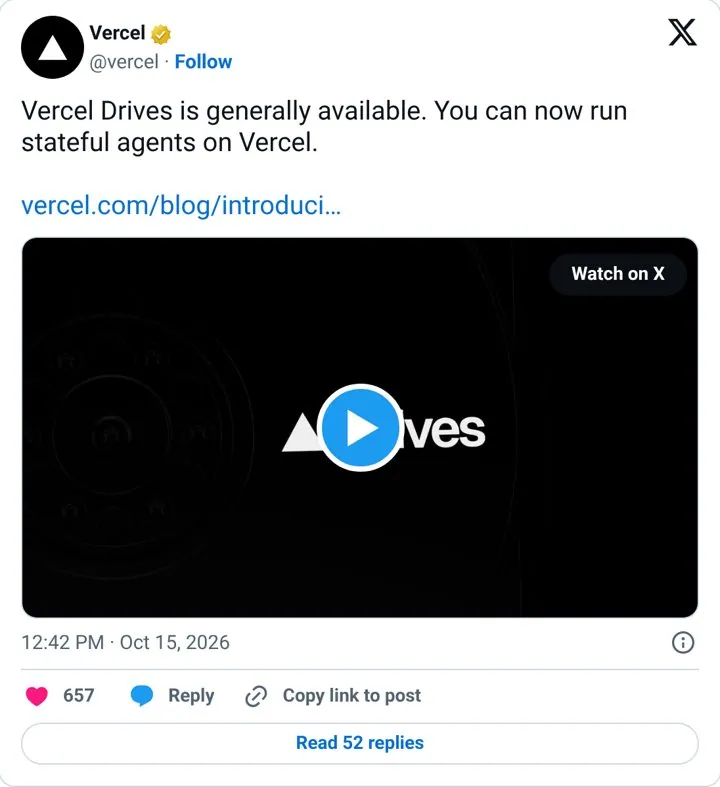
| Vercel | Say it is ready and what to do next | Brevity signals confidence and puts the new capability, not the feature name, in front. |
| Vercel | Partner with a bigger brand on launch day | The partner tag doubles reach and the agent angle ties a template to the biggest current trend. |
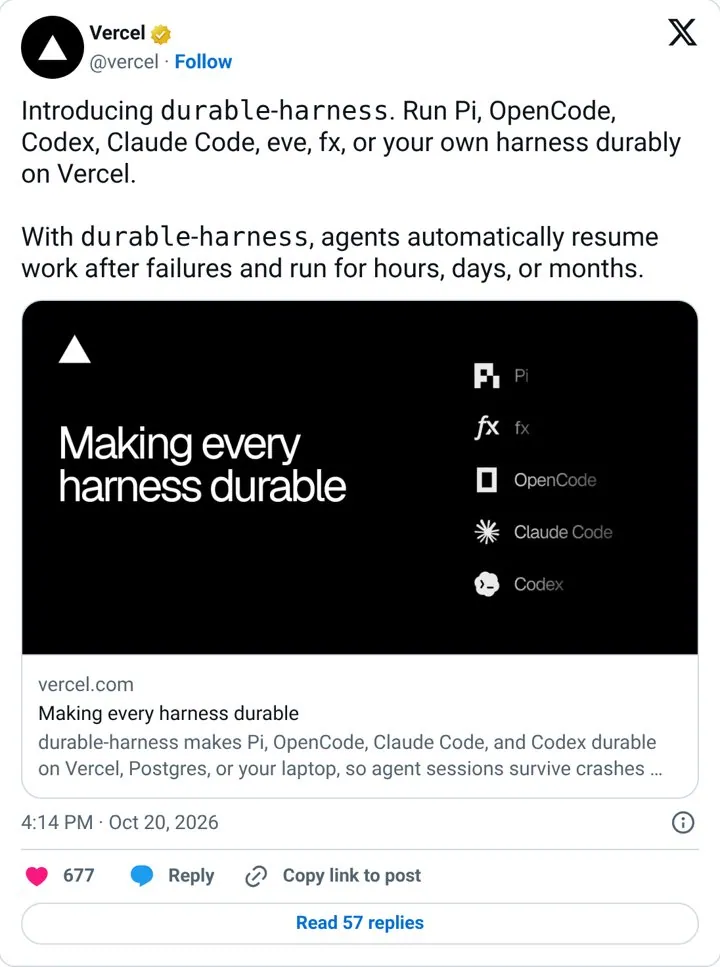
| Vercel | List the tools fans already love | Listing tools people already use lets every fan of each tool see themselves in the launch. |
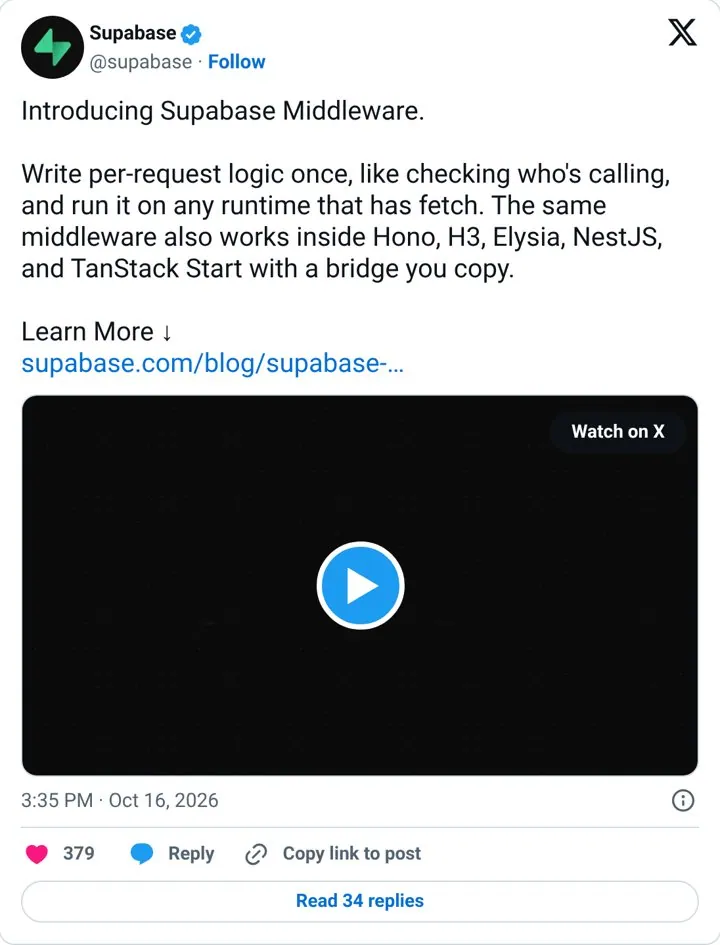
| Supabase | Open with what people keep asking for | Starting with the audience's own request makes the launch feel like a reply and earns goodwill. |
| Supabase | Show one feature working everywhere | Naming frameworks answers the first question every developer asks: does it work with mine. |
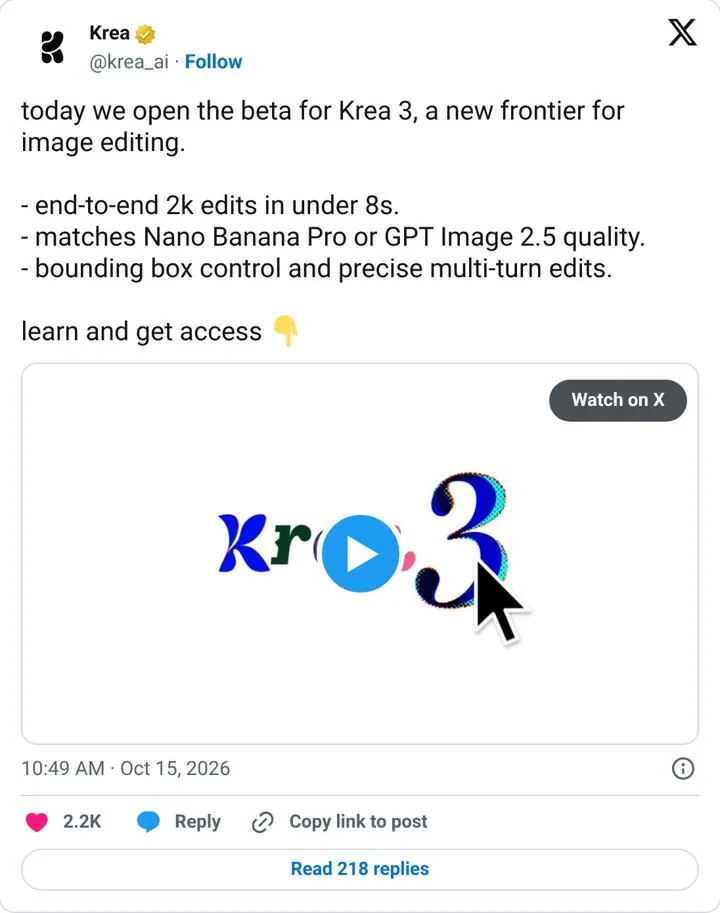
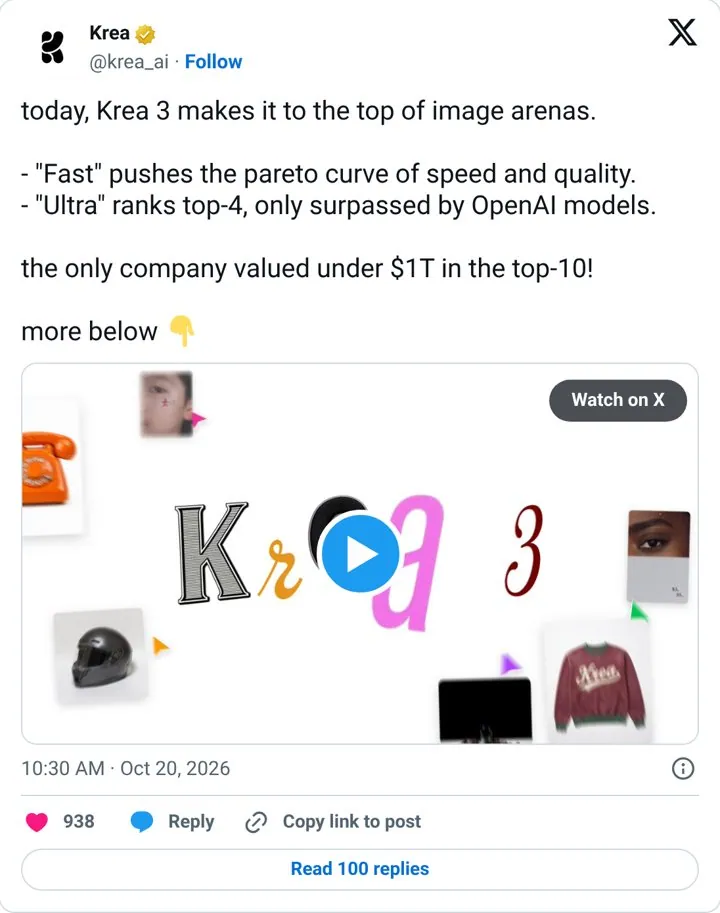
| Krea | Open a beta with three proof points | Comparing to named leaders gives a reference point and the beta keeps it exclusive. |
| Krea | Turn a leaderboard rank into a launch | A third party ranking is proof others can check, and the underdog framing makes it a story. |
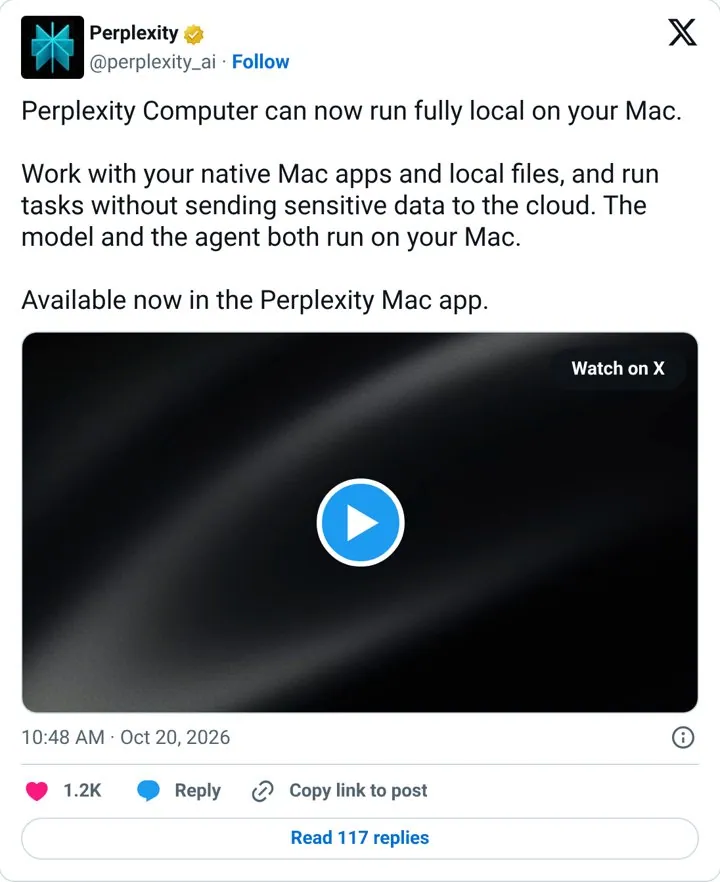
| Perplexity | Lead with the benefit buyers care about most | It names the buyer's main fear with AI, data leaving the device, and removes it. |
 Notion