 Linear
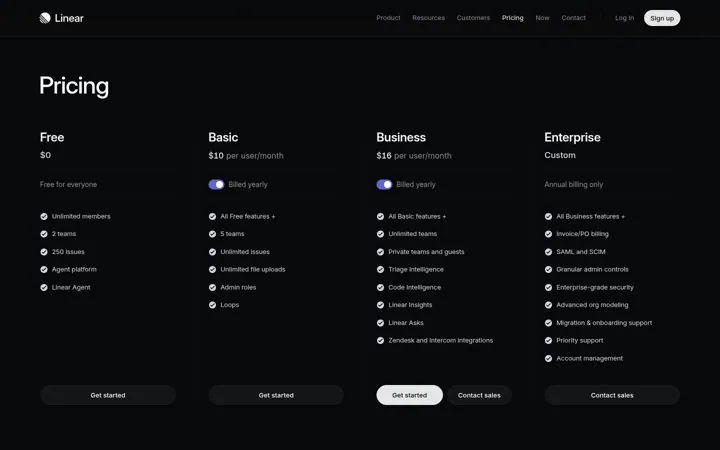
1. Keep every plan on one clean row
Four plans in one row make comparing take seconds.
- Fit all plans on one screen
- Keep each list to a few lines
- Give each plan one button
Per seat pricing charges for each person who uses the product, so the bill is easy to predict. Usage based pricing charges for what gets consumed, such as emails, API calls or compute, so the bill tracks value. Many AI and infrastructure products mix both: a seat or plan fee plus metered usage.
Updated · By Blake Emal · 6 real examples, each linked to its source
| Per seat | Usage based | |
|---|---|---|
| Bill is easy to predict | Yes | Harder |
| Price tracks value | Only if value scales with people | Yes |
| Fits AI and APIs | Poorly | Well |
| Main buyer worry | Paying for idle seats | A surprise bill |
| Real examples | Linear, Attio | Resend, Vercel, Supabase |
LinearFour plans in one row make comparing take seconds.
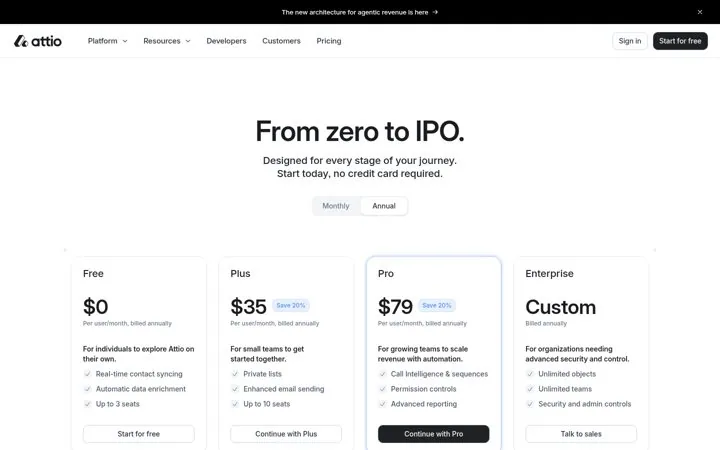
 Attio
Buyers see a plan for today and a plan for later.
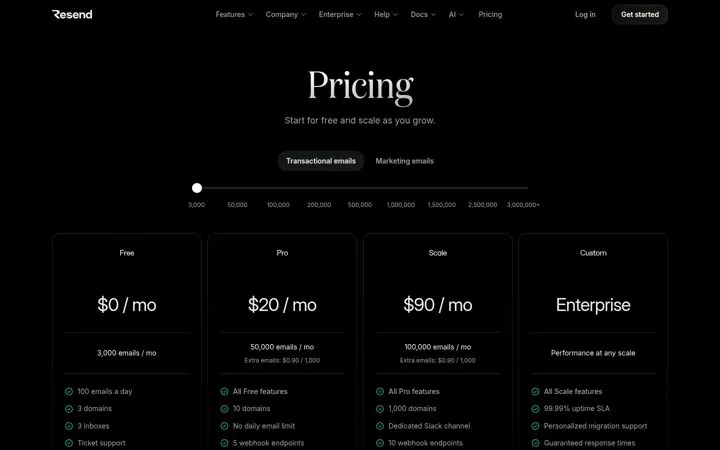
 Resend
A slider turns a pricing table into a personal quote.
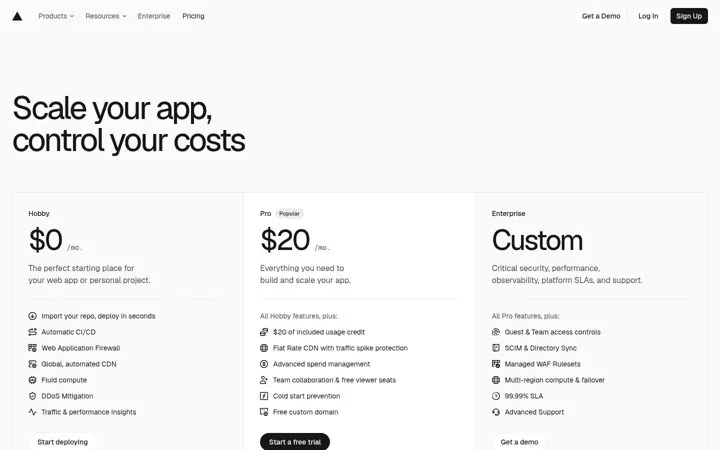
 Vercel
A headline about control calms the fear of surprise bills.
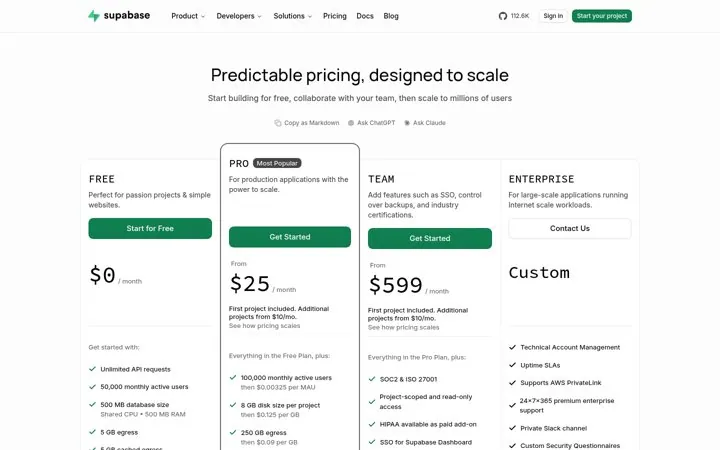
 Supabase
Predictable is the word buyers want to read on a usage plan.
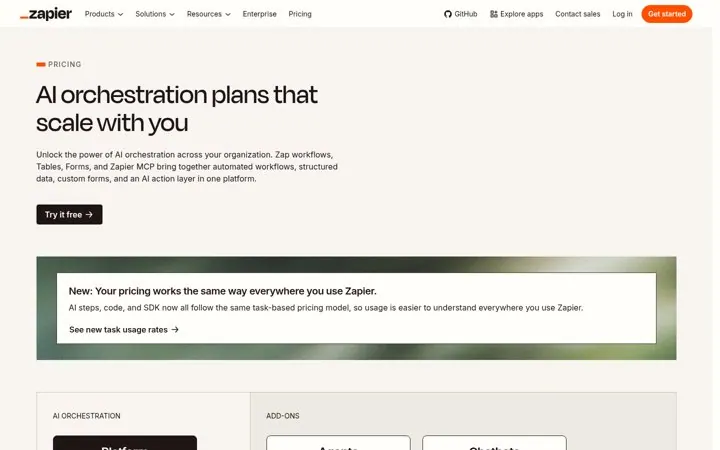
 Zapier
One simple rule makes a big product easier to buy.
Pick a channel and a goal. Get real examples and a plan to fill in. Free, no login.
A base plan or seat fee plus metered usage above an included amount.
Often, because the cost to serve grows with use. Pair it with clear limits so buyers can predict the bill.
Protect current customers and explain what happens to their plan first, as Cursor did when it changed its plans.